“It works. It's just not what I had in mind.”
Your intent only ever existed in a conversation. Everything built after that was someone's reasonable guess, and reasonable guesses compound.
Ship what you actually meant.
Fast builds rarely fail loudly. They drift quietly, in the parts nobody re-reads. We write your intent down, build against it, and verify the shipped product clause by clause. You get the speed of an AI build and a record of what it owes you.
We build the whole range: a small site that takes payments, a marketplace live on both app stores, an internal operations platform with roles and audit trails, or an AI product with retrieval, guardrails and evaluations. Complexity changes the size of the build, not the method.
Estimate
Answer a few questions about where you are and what you need. We'll show you an honest, approximate band, then book a call for the exact quote.
What goes wrong
You can get software built fast almost anywhere now. What you can't get is proof that it does what you meant. Here is what that sounds like three months in.
“It works. It's just not what I had in mind.”
Your intent only ever existed in a conversation. Everything built after that was someone's reasonable guess, and reasonable guesses compound.
“Every fix seems to break something else.”
Nothing states what the code is supposed to do, so every change starts with reverse-engineering the last one. That's the tax you pay for months.
“We found out from a customer.”
Nobody checked the parts nobody re-reads: who can see what, what happens on a failed payment, what the app does when the network dies mid-save.
None of that is a coding problem. It's a missing written source of truth. So that is the first thing we build, and the last thing we check the product against.
See howThe path
No step starts because the last one ran out of time. It starts because the last one passed. That's the only reason a build this fast can still be trusted.
In every build
Not slide decks. Things you can open, run, read, and hand to the next engineer who touches your product — including one who isn't us.
What you meant, in plain language, signed off by you before anything gets built.
Numbered clauses in English, not jargon. It's the contract the build answers to — and it's yours.
Live, on your infrastructure, under your accounts. Web, mobile, or both — including the app stores.
Every clause, the check that proves it, the result. This is what replaces “trust us”.
Yours from day one, with a written handover. No hostage situation, ever.
The checks run again when the product changes — so launch day isn't the last day it was true.
The artifact
Not a requirements doc nobody opens. One sentence you would say on a call, the numbered clause it becomes, and the check that keeps proving it after we have gone.
You said
“Nobody should ever see another customer's data.”
We wrote
§4.2 Every read is scoped to the signed-in account. A request for someone else's record returns not found — never forbidden, which would confirm it exists.
We proved
account-isolation — 24 checks passing, run on every change
You said
“It has to feel instant, even on a phone in a store.”
We wrote
§7.1 First screen paints under 1.2s on a mid-range Android over 4G. The last list you opened stays readable with no connection at all.
We proved
perf-budget — measured on real devices, not a lab score
You said
“Let people cancel without having to email us.”
We wrote
§9.3 Cancelling takes two clicks and no conversation. Access runs to the end of the paid period, then stops. Their data is still there if they come back.
We proved
billing-lifecycle — 18 checks, including the refund edge cases
Every sentence you say becomes a clause. Every clause gets a check. That's the whole method — and why nothing quietly drifts.
Proof
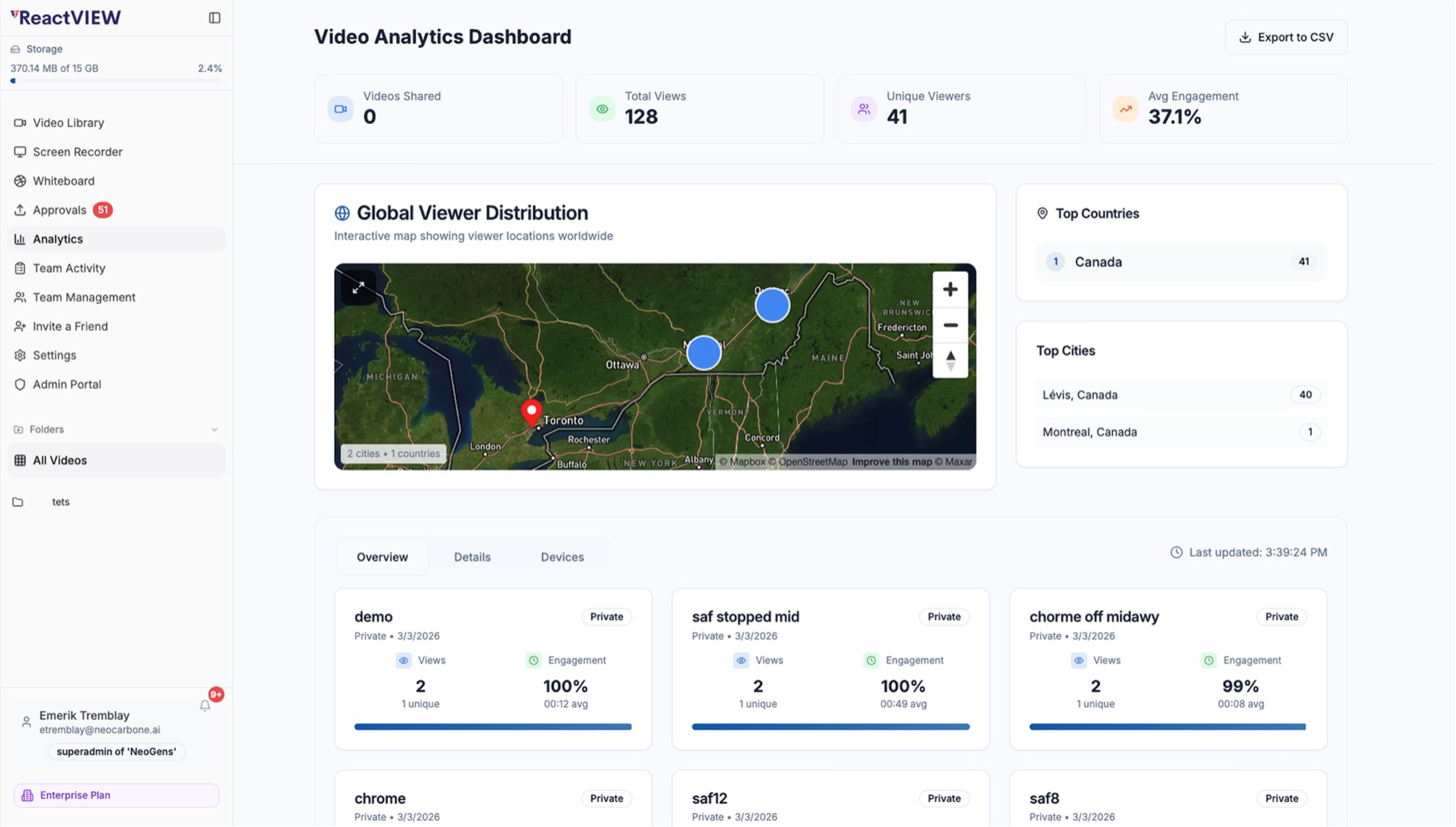
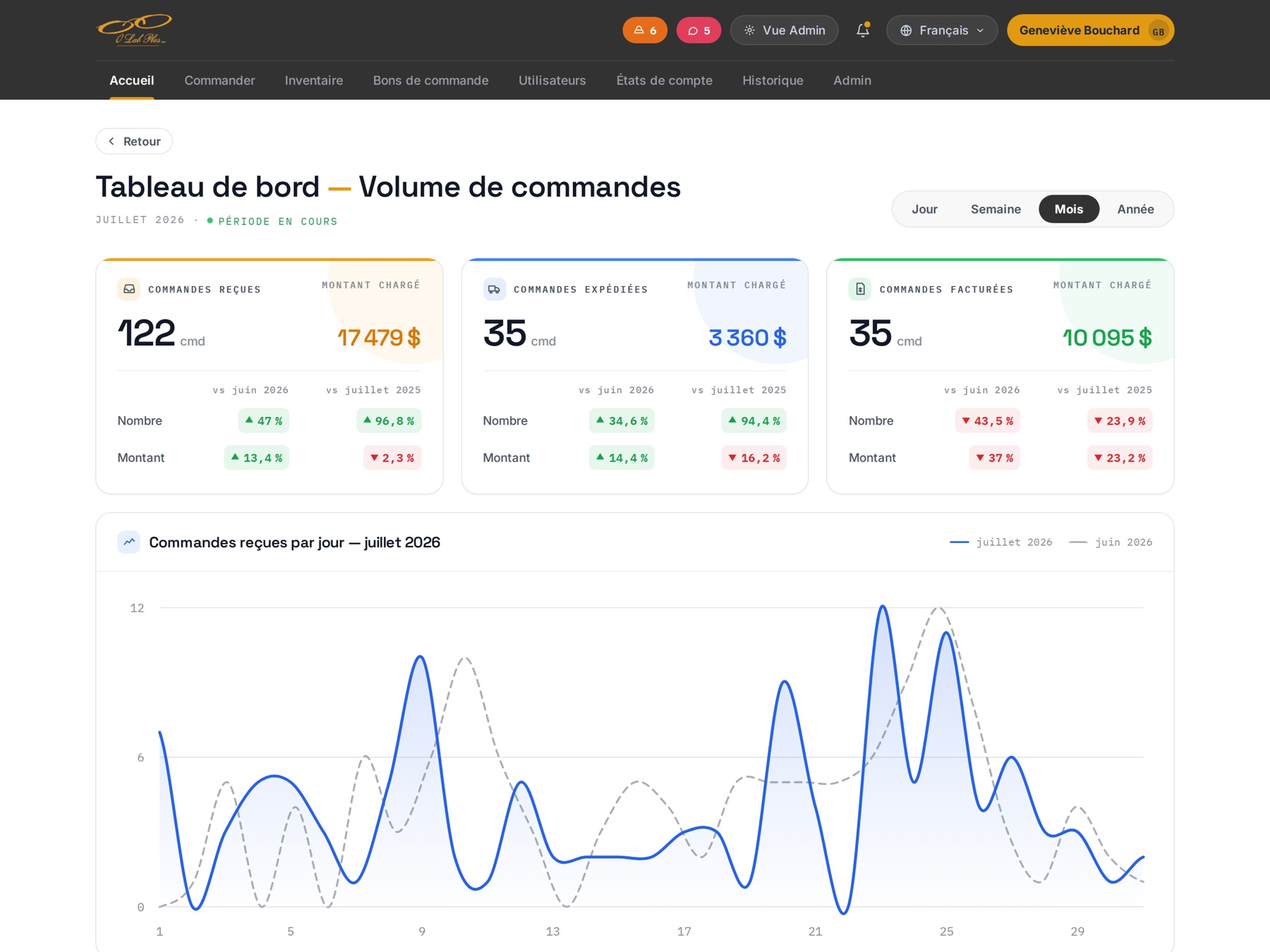
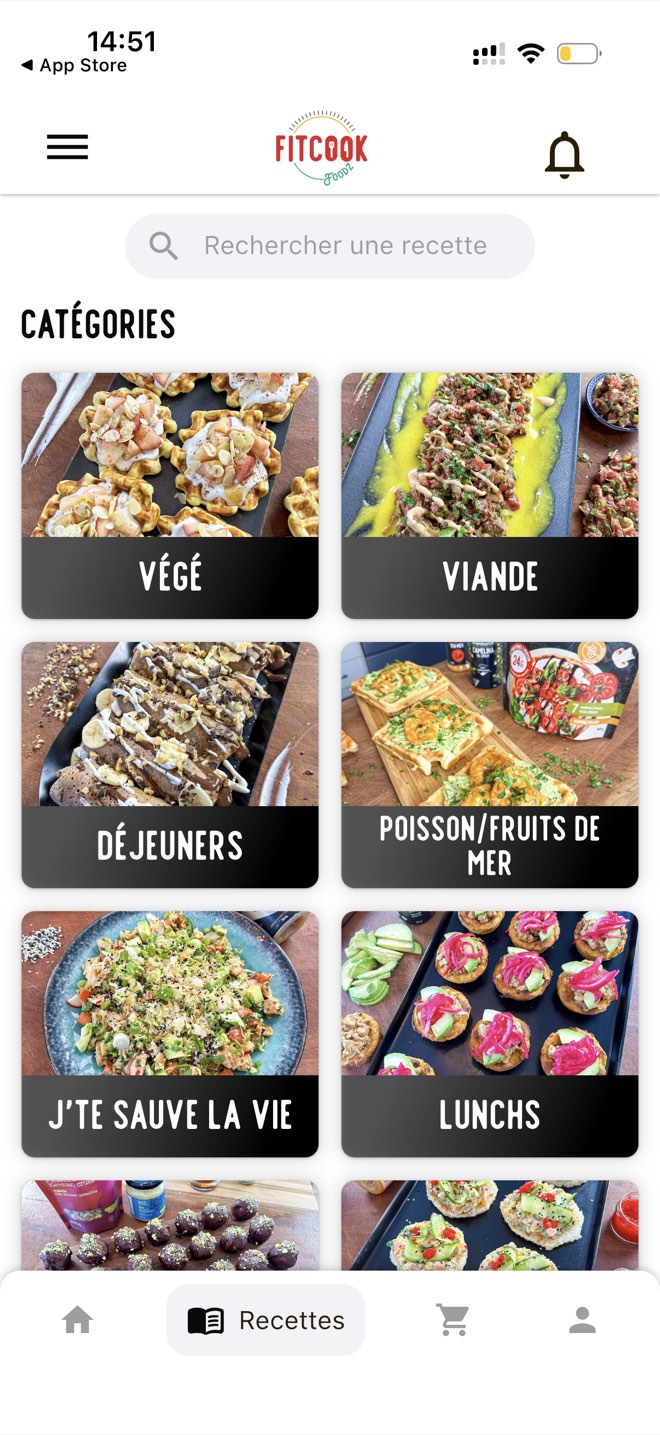
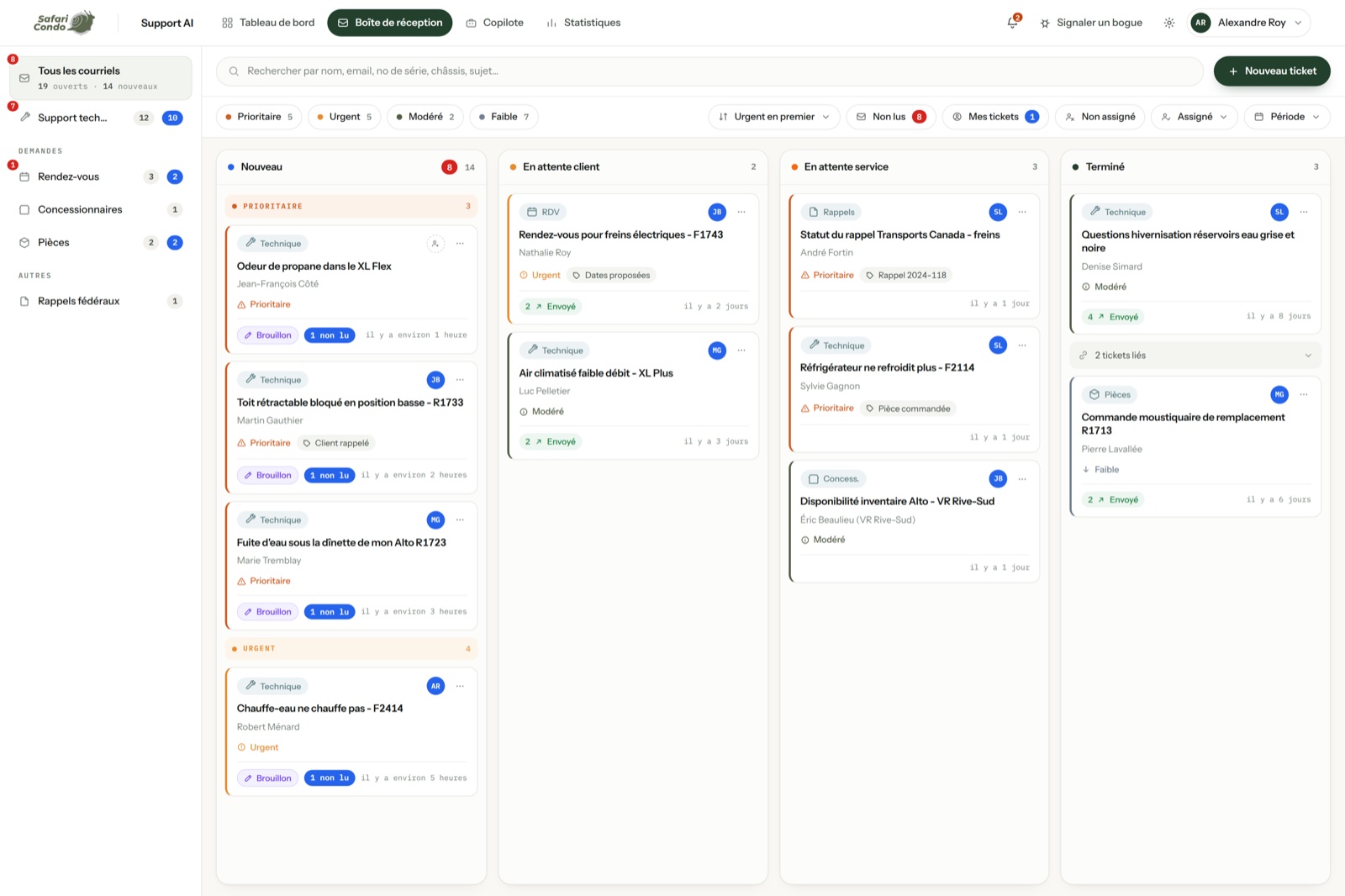
Same five steps, same gates, shipped and in the stores.
If yours isn't here, ask it on the call. We answer the uncomfortable ones the same way.
A typical MVP runs 6–10 weeks from first intent session to launch; a proof of concept can be days. Scope drives it, and the estimate above gives you the honest band. Whatever the number is, you get it in writing before we start — not as a moving target.
Yes — the repo, the spec, the infrastructure and every third-party account are in your name from day one. If you decided tomorrow to continue without us, you'd have everything you need, including the document that explains what the code is for.
Unreviewed AI code is very risky — it's confident, plausible, and wrong in the places nobody looks. Ours is written against a spec and verified against that spec before handover, and you get the report. That's the same discipline we sell on its own as Coherence & Security.
Often, yes. We audit what's there, keep what holds up, and rebuild what doesn't — then take it wherever it needs to go, including the App Store and Google Play. We're one of six official Lovable partners worldwide, so this is well-worn ground for us.
Then we change the spec, and the price changes with it — both in writing, both before any work happens. It's a normal conversation, not a penalty. What we don't do is absorb silent scope creep and hand you something late and vague.
The checks keep running as the product changes, so drift shows up as a failed check rather than an angry customer. If you want that formalised, there's the Safe-Change Layer. If you'd rather take it in-house, the handover is written for exactly that.
A small senior team, working with tooling we built ourselves — that combination is why the timeline and the price look the way they do. You can see who you'd be working with. Bilingual EN / FR, based in Québec.
Next step
We'll shape the intent, write the spec, and build something that still means what you meant a year from now.